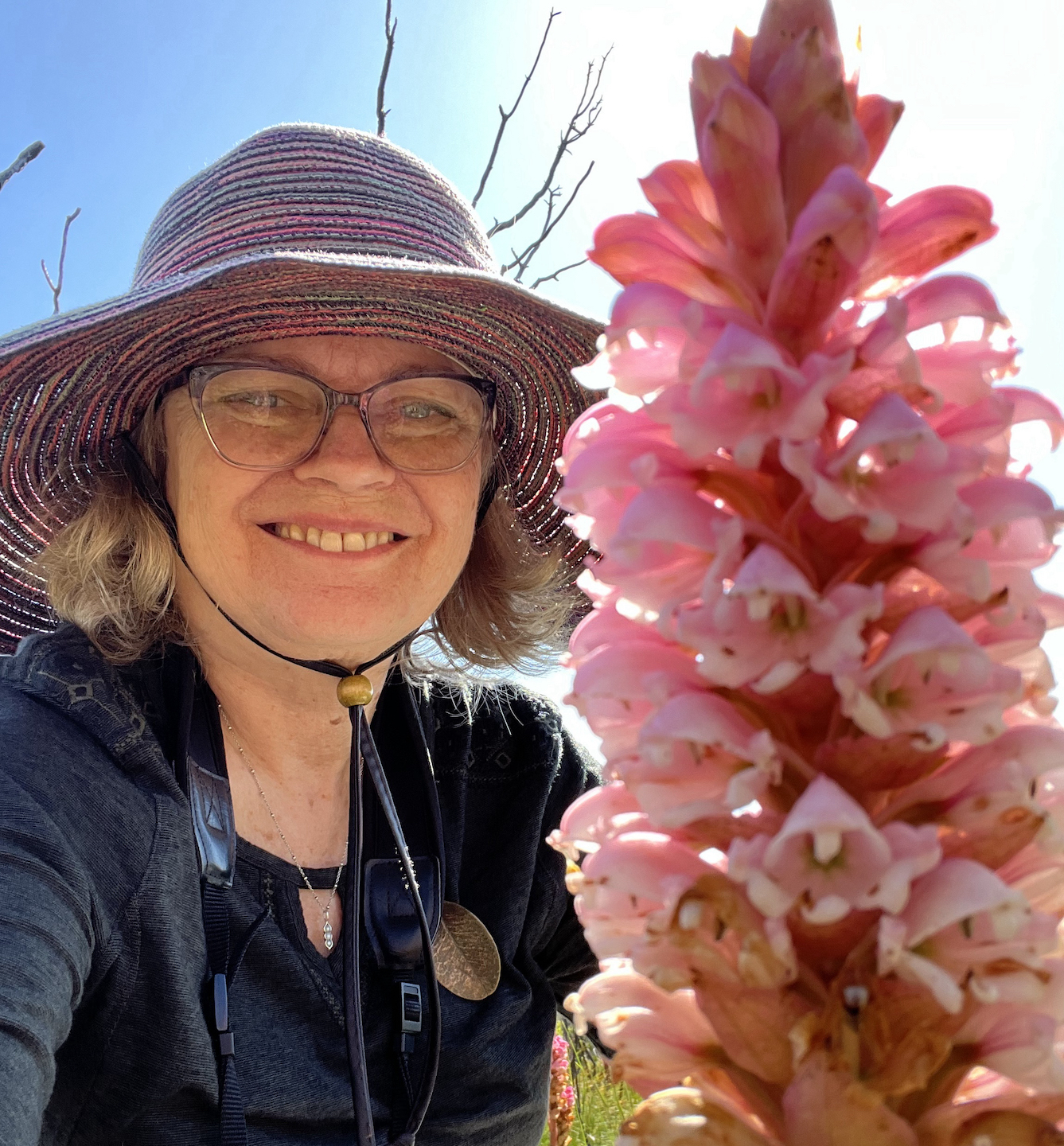
Long admired for her glowing watercolors on vellum, Carol Woodin’s awards include an RHS Gold Medal, ASBA Diane Bouchier Artist Award for Excellence in Botanical Art, ASBA James White Service Award for Dedication to Botanical Art, the Orchid Digest Medal of Honor, and the Shirley Sherwood Award.
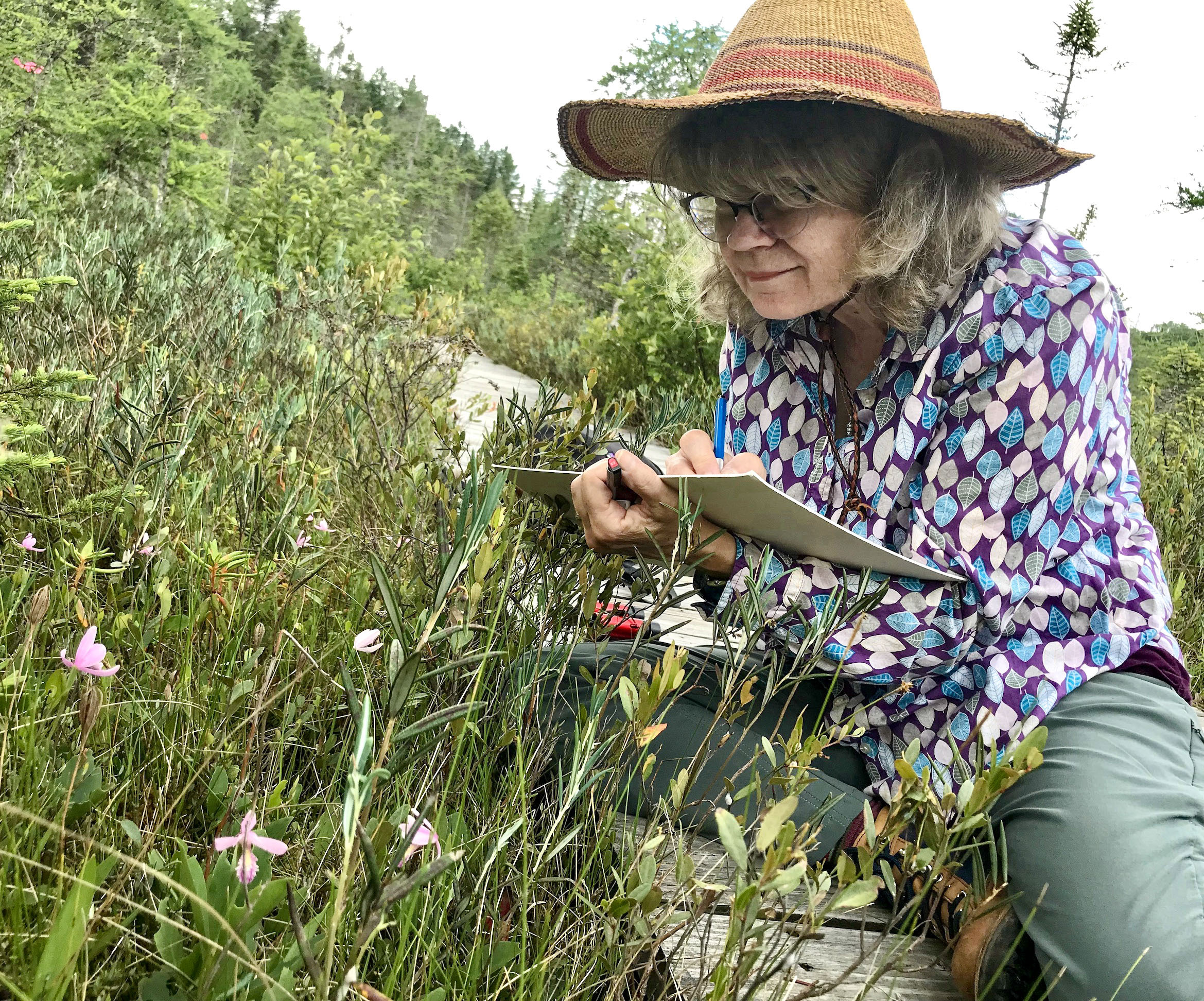
In her role as ASBA Exhibitions Director, Carol has guided many environmentally themed and traveling exhibitions. She has been responsible for initiating and shepherding large, complicated projects such as Botanical Art Worldwide and ASBA’s book Botanical Art Techniques. She is constantly striving to lift the genre of botanical art to the higher levels of the art world. And over the last 25 years, Carol has generously taught hundreds of artists to paint on calfskin vellum.
Jessica Tcherepnine (1938 – 2018), an internationally admired British-American botanical artist with a sophisticated eye, was very instrumental in establishing and nurturing the early life of ASBA.
Carol contributed this description of her experiences with Jessica:
“Jessica was one of the first botanical artists I ever met, and I was mortified to find her inspecting my work with a magnifier. Over time, I realized that, in addition to being a fabulous painter, she looked at botanical artwork with a trained eye, and her observations were always illuminating. Because she painted directly and improvised her way through, her own work had a spontaneity and a great impact.
One thing that will always stay with me is how she modeled helping others. She invited me, as a fairly new artist, to join her in an
exhibition in New York City. This generous hand up led to many other opportunities and long-lasting relationships. Jessica created ASBA’s long-term collaboration with the Horticultural Society of New York, which hosted our first 20 Annual Internationals. This relationship was important not only for ASBA, but for each exhibiting artist.”
When asked what she strives for in her work, Carol puts both her own work and the work she does for ASBA in the same frame: “In both, my goals have always been to raise the stature of botanical art and eliminate some of the stereotypes. We all need to prepare the soil for future botanical art 'crops,' creating opportunities for the public to see our work and engage with it. ASBA’s vision statement says it perfectly: Botanical art will be considered a significant, relevant, and respected contributor to 21st century art, recognized for its unique power to educate, promote ecological awareness, and enrich our lives.”